Post
How to Care for Your Bracelets: Tips to Keep Them Looking Beautiful
Jun
A beautiful bracelet is an investment in both aesthetics and personal expression, and with proper care, a quality piece can maintain its beauty and integrity for many years. Different bracelet materials require different care approaches, and understanding what your specific bracelet needs will help you keep it looking its best. In this comprehensive care guide, we will cover everything you need to know about cleaning, storing, and maintaining your bracelets, whether they are precious metal fine jewelry, natural stone beaded pieces, leather wraps, or anything in between. How to Care for Your Bracelets
General Principles of Bracelet Care How to Care for Your Bracelets
Before exploring material-specific care, it helps to understand a few general principles that apply to virtually all bracelets. First, the single most impactful thing you can do for any bracelet is to remove it before activities that could damage it. This includes swimming, showering, exercising, gardening, cooking with strong ingredients, and any activity involving harsh chemicals such as cleaning products, bleach, or acetone. Water and chemicals are among the most common causes of bracelet damage, causing everything from metal tarnishing and discoloration to gemstone damage and elastic deterioration. How to Care for Your Bracelets
Second, your skin’s natural oils, sweat, and any lotions, perfumes, or sunscreens you apply can build up on bracelets over time, dulling their appearance and, in some cases, causing chemical reactions with metal surfaces. Applying your jewelry last when getting dressed and removing it first when getting undressed is a simple habit that significantly reduces this buildup. How to Care for Your Bracelets
Third, store your bracelets properly when not in use. Keeping all your bracelets in a pile in a drawer invites scratching, tangling, and physical damage. Instead, store each bracelet separately or in individual compartments in a jewelry box, or hang them on a jewelry stand to prevent tangling and scratching. How to Care for Your Bracelets
Caring for Metal Bracelets How to Care for Your Bracelets
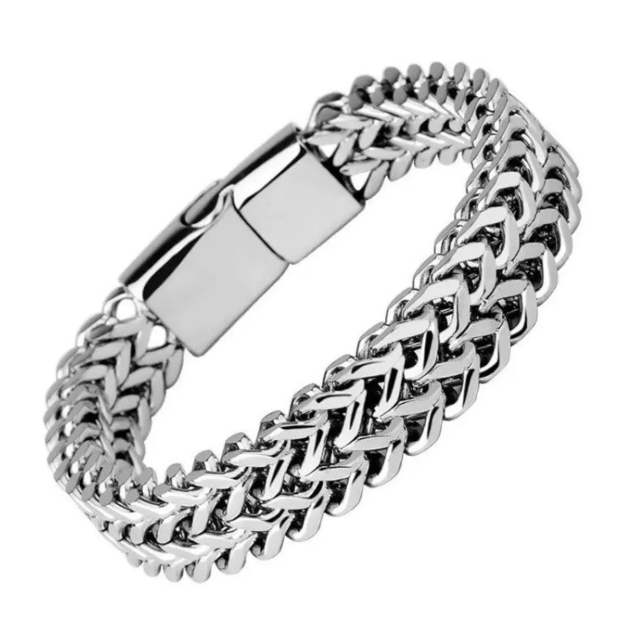
Metal bracelets, whether gold, silver, platinum, or base metal, benefit from regular gentle cleaning to remove the oils and residues that accumulate with wear. For most metal bracelets, the simplest and most effective cleaning method is to wipe the bracelet with a soft, lint-free cloth after each wear to remove surface oils and light soil.
For more thorough cleaning, most gold and platinum bracelets can be gently washed with a solution of mild dish soap and warm water. Use a very soft brush, such as a soft-bristle toothbrush, to gently scrub away any buildup in crevices or around stone settings. Rinse thoroughly under clean water and dry completely with a soft cloth before storing.
Silver bracelets require a slightly different approach because of their tendency to tarnish. Use a dedicated silver polishing cloth to remove light tarnish and restore the shine. For heavier tarnish, a silver cleaning solution or a paste of baking soda and water applied with a soft cloth can be effective. Rinse thoroughly and dry completely after cleaning. Storing silver in an airtight container or anti-tarnish bag when not in use significantly slows the tarnishing process.
Gold-plated and base metal bracelets require gentle handling to preserve the plating. Avoid using abrasive cleaners or polishing compounds, which can wear away the plating prematurely. Wipe with a soft, dry cloth after each wear and avoid exposing these pieces to water and chemicals as much as possible.
Caring for Gemstone and Crystal Bracelets
Gemstone and crystal bracelets require some additional considerations based on the specific properties of the stones involved. Most gemstones are quite durable and can be cleaned with mild soapy water and a soft brush, as described for metal bracelets. However, some stones are sensitive to water, chemicals, or changes in temperature and require more careful handling.
Porous stones such as turquoise, malachite, lapis lazuli, and pearl should not be soaked in water or cleaning solutions as they can absorb liquids and become damaged. Clean these stones by wiping them gently with a soft, slightly damp cloth and drying immediately.
Crystals that are sensitive to light, such as amethyst and rose quartz, can fade with prolonged exposure to strong sunlight. Store these bracelets away from windowsills and direct light when not in use.
For beaded bracelets strung on elastic, be aware that elastic can degrade over time, particularly with exposure to water, oils, and chemicals. Avoid soaking elastic-strung bracelets in water and remove them before swimming or showering. If the elastic begins to show signs of stretching or weakness, have the bracelet restrung to prevent breakage.
Caring for Leather Bracelets
Leather bracelets require their own specific care approach. Leather is a natural material that can dry out and crack if not maintained properly. To keep leather bracelets supple and in good condition, apply a small amount of leather conditioner periodically. This replaces the natural oils that leather loses over time and prevents cracking and stiffening.
Keep leather bracelets away from water. Water can stain, shrink, and stiffen leather, significantly shortening the life of a leather bracelet. If your leather bracelet does get wet, allow it to dry naturally at room temperature, away from heat sources, which can cause it to shrink or crack.
Store leather bracelets lying flat or hanging to maintain their shape. Avoid folding or creasing leather pieces, as this can cause permanent crease marks.
Caring for Fabric and Beaded Bracelets
Fabric bracelets, including woven and friendship bracelets, can often be hand-washed gently with mild soap and cold water, then left to air dry flat. Avoid wringing or twisting fabric bracelets, as this can distort their shape.
Natural wood bead bracelets should be kept away from water and excessive moisture, which can cause the wood to swell, crack, or warp. Clean wood bead bracelets by wiping them with a dry or very slightly damp cloth.
When to Have Your Bracelet Professionally Serviced
Even with the best home care, fine jewelry benefits from occasional professional cleaning and inspection. For precious metal and gemstone bracelets, having the piece professionally cleaned and inspected by a jeweler once a year is a good investment. A professional cleaning will restore the bracelet’s full brilliance, and an inspection can identify any issues with stone settings, clasps, or metal integrity before they become serious problems.
By following these care guidelines and developing good jewelry habits, you can keep your bracelets beautiful for years to come. Our team is always happy to advise on the specific care needs of any piece in our collection.
